Are you ready to make 2026 your breakthrough year? If you feel excited but unsure how to start the work that truly matters, you are not alone.
This expert-backed guide provides actionable strategies to help you confidently begin new projects, careers, or ventures in 2026. You will find a step-by-step roadmap packed with proven tips, mindset shifts, and productivity hacks.
Discover how to overcome procrastination, set clear goals, master your mindset, build productive habits, and leverage the latest tools. Start the work that moves you forward, and make your ambitions a reality.
Understanding the Modern Landscape of Work in 2026
The way we start the work in 2026 is transforming at a rapid pace. Understanding these shifts is crucial for anyone aiming to begin new projects or careers with confidence. The modern work landscape blends innovation, flexibility, and continuous adaptation, requiring fresh strategies and mindsets.
Key Trends Shaping the Future of Work
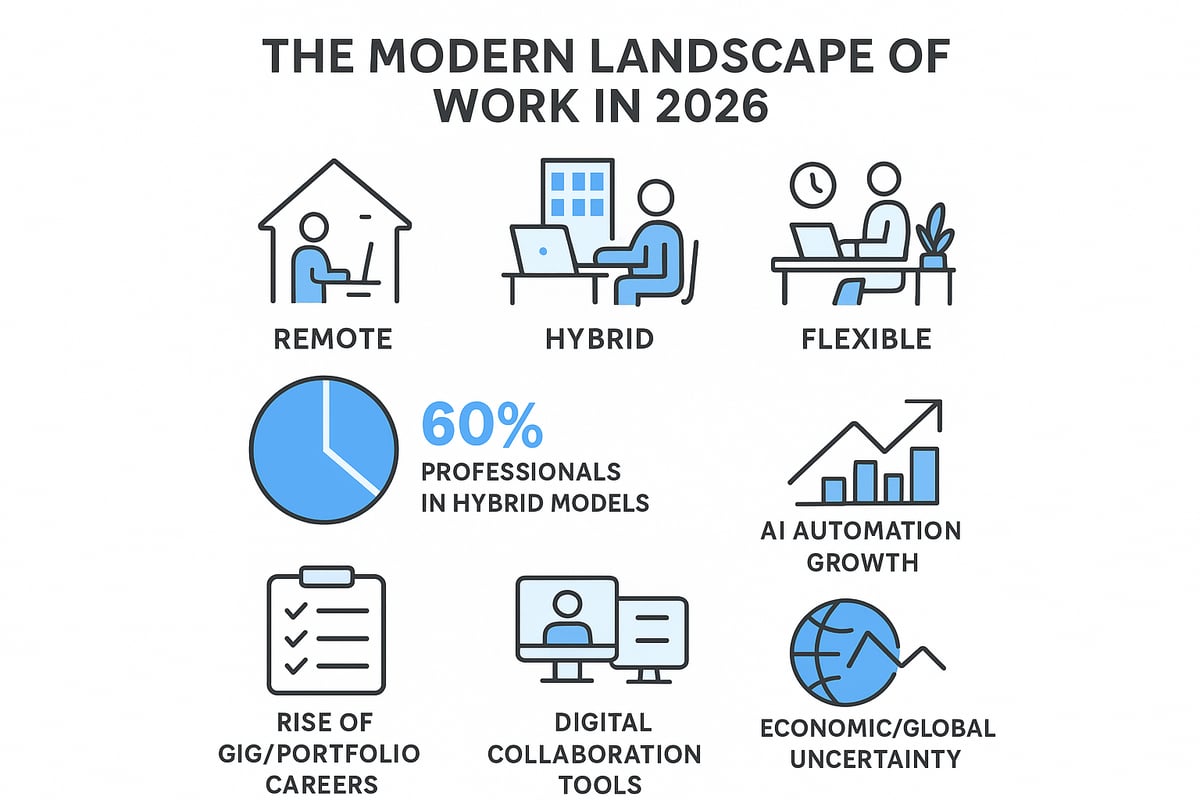
Remote, hybrid, and flexible work arrangements are now the norm for professionals starting the work in 2026. Over 60% of employees are projected to be in hybrid models, balancing home and office settings. Companies are experimenting with 4-day workweeks and custom schedules, prioritizing well-being and productivity.
The workplace is also witnessing a shift toward outcome-based performance, rather than time spent at a desk. Leaders want results, and employees seek autonomy. For a comprehensive look at these developments, explore the “7 Workplace Trends That Will Define 2026”.
The Impact of AI and Automation
AI and automation are redefining job roles and the skills needed to start the work in this new era. Routine tasks are being automated, allowing professionals to focus on creativity, problem-solving, and emotional intelligence. Upskilling in digital literacy and data analysis is now essential.
Organizations expect employees to adapt quickly to new technologies. Those who embrace AI tools and automation will find more opportunities to innovate and lead. The human-machine partnership is a defining feature of 2026's workplace.
Rise of Portfolio Careers and the Gig Economy
Many are now building portfolio careers, combining freelance projects, side ventures, and part-time roles. The gig economy offers flexibility and diverse income streams, especially for those ready to start the work on their own terms.
Platforms connect talent with global opportunities, making it easier to find work aligned with personal strengths. This shift encourages independence and entrepreneurial thinking across industries.
Adaptability and Continuous Learning
Adaptability is the cornerstone for anyone looking to start the work in a rapidly changing environment. Continuous learning, upskilling, and reskilling are vital as industries evolve. Employees who proactively develop new capabilities remain relevant and resilient.
Professional development is no longer optional. Embracing microlearning, online certifications, and peer learning helps individuals stay ahead. The commitment to learning is a key differentiator in 2026.
Digital Collaboration Tools and Asynchronous Communication
Digital collaboration tools are central to how people start the work, wherever they are. Platforms for file sharing, project management, and real-time messaging enable seamless teamwork.
Asynchronous communication allows teams to work across time zones and schedules. This flexibility supports productivity and work-life balance, while reducing the need for constant meetings. Mastering these tools is now a baseline skill.
Economic Uncertainty and Global Events
Economic shifts and global events continue to influence how professionals start the work. Uncertainty prompts businesses and workers to prioritize agility and contingency planning. Diversifying skills and income streams is a common response.
Global connectivity introduces both opportunities and risks. Staying informed and adaptable is critical for navigating changing markets and expectations.
Insights from "Start The Work" and Embracing New Paradigms
Books like "Start The Work" by Natalie Dawson highlight the importance of embracing new models of work. Success in 2026 requires aligning personal purpose with current trends, leveraging technology, and committing to lifelong growth.
To thrive, adopt a proactive mindset, invest in skills, and remain open to change. The modern landscape is dynamic, but those prepared to start the work with clarity and adaptability will find lasting success.
Step 1: Clarify Your Purpose and Set Meaningful Goals
Embarking on a new project or career in 2026 requires more than just ambition. To truly start the work that matters, you need a clear purpose and actionable goals. This first step is essential for building momentum and staying motivated throughout your journey.
Why Purpose Matters in Starting Work
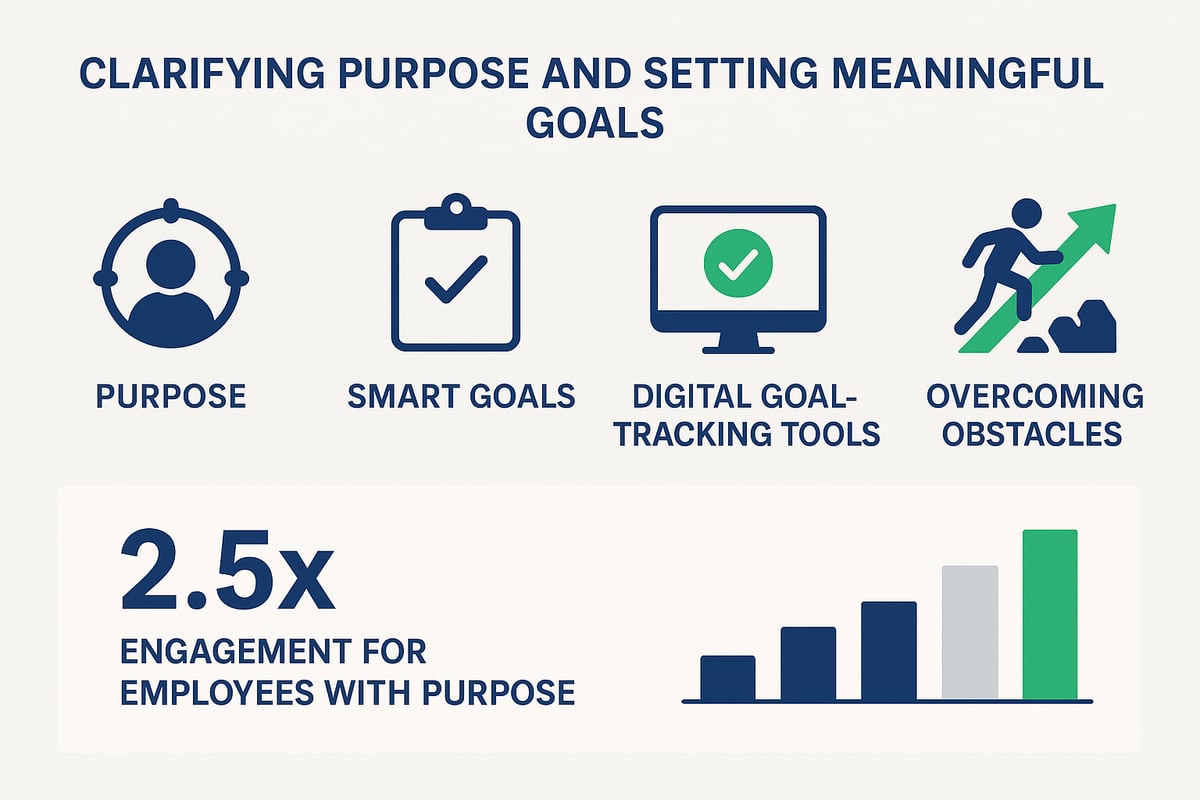
Purpose fuels motivation and resilience, especially when you start the work on something new. High-achieving professionals often attribute their success to a clear sense of why they do what they do. Identifying your core drivers connects your daily efforts to a larger mission.
Employees with a sense of purpose are 2.5 times more engaged, according to industry studies. To uncover your own purpose, try these exercises:
- Reflect on moments when you felt most fulfilled at work
- List your core values and strengths
- Ask yourself what impact you want to have in 2026
For a deeper dive into aligning your strengths and starting impactful work, explore this guide to unlock your professional potential. Clarifying your why is the foundation for lasting motivation as you start the work that matters.
SMART Goal Setting for 2026
Once your purpose is clear, it is time to set goals that move you forward. The SMART framework helps you start the work with a plan:
- Specific: What exactly do you want to achieve?
- Measurable: How will you track progress?
- Achievable: Is your goal realistic for your situation?
- Relevant: Does it align with your purpose?
- Time-bound: When will you reach your milestones?
For example, "grow my network by connecting with 20 industry peers each quarter" is more effective than "network more." Use digital planners or goal-tracking apps to monitor progress. Break down your annual ambitions into quarterly milestones, so you always know how to start the work each season.
Aligning Goals with Modern Work Realities
The work landscape in 2026 is more flexible and technology-driven than ever. When you start the work, your goals should reflect hybrid schedules, the rise of automation, and your personal growth ambitions.
Balance career, side projects, and life by prioritizing what matters most each quarter. Draw inspiration from books like "Start The Work," which emphasize aligning your goals with new opportunities. As you start the work, focus on adaptability, upskilling, and leveraging digital tools to stay ahead in a changing environment.
Overcoming Common Goal-Setting Pitfalls
Even with clear goals, many struggle to start the work due to procrastination, perfectionism, or fear of failure. These hurdles can derail your progress before you even begin.
To avoid overwhelm:
- Break big goals into micro-tasks
- Set deadlines for each step
- Celebrate small wins to boost momentum
Remember, it is normal to adjust your path. Many successful professionals have pivoted or made course corrections as they start the work. Embrace flexibility, learn from setbacks, and keep your focus on progress, not perfection.
Step 2: Master Your Mindset for Action
Unlocking your potential in 2026 requires more than just skills or ambition. To truly start the work that matters, you need to master your mindset. This step is about building the inner foundation that moves you from hesitation to decisive action, ensuring you stay focused and resilient no matter the challenges ahead.
The Psychology of Starting: Overcoming Procrastination
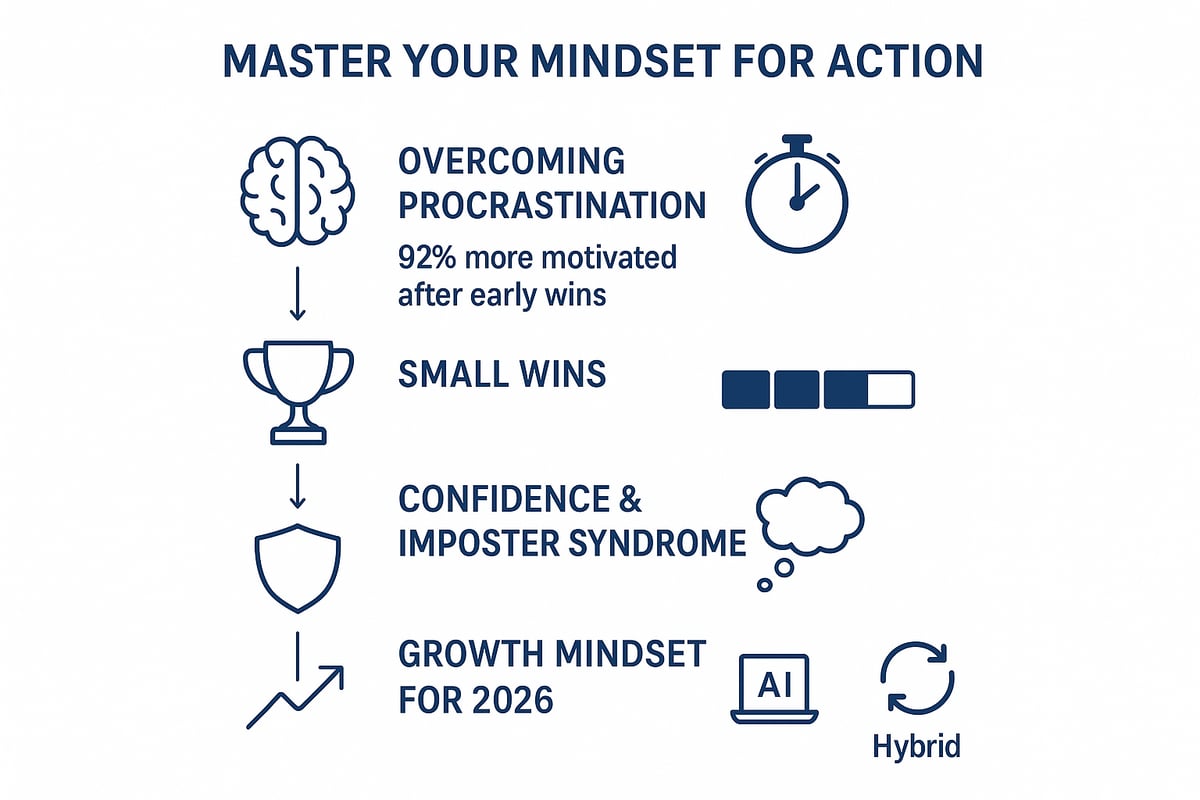
Procrastination can feel like an invisible barrier when you try to start the work on new projects or ventures. It is rooted in how our brains weigh short-term comfort against long-term rewards. Understanding this can help you break the cycle.
One effective strategy is the Pomodoro Technique, where you work in focused 25-minute bursts, followed by short breaks. Time-blocking your calendar and breaking big tasks into micro-tasks are also powerful ways to reduce overwhelm and make starting feel manageable.
Many professionals who successfully start the work rely on structured routines. For instance, dedicating the first hour of your day to your most important task can set a productive tone and help you overcome inertia.
Building Confidence Through Small Wins
Confidence is not something you either have or do not have, it is built step by step. When you start the work, focus on achieving small, meaningful wins. This creates momentum and makes bigger challenges feel less intimidating.
The science behind this is clear. Early achievements activate the brain’s reward system, reinforcing motivation. In fact, surveys show 92% of people feel more motivated after experiencing initial progress.
Try stacking habits, like pairing a new task with an existing routine. Celebrate each milestone, no matter how minor. Over time, these small victories compound, making it easier to start the work each day with renewed energy.
Managing Fear, Doubt, and Imposter Syndrome
Everyone feels fear or self-doubt when they start the work in a new environment or role. Recognizing these feelings, rather than ignoring them, is the first step toward overcoming them.
Experts like Natalie Dawson recommend reframing negative thoughts. Instead of thinking, “I am not ready,” try asking, “What can I learn from this challenge?” Real stories from high performers show that even the most successful people face imposter syndrome at the beginning.
If you are seeking more guidance, explore foundational strategies for founders that address mindset, confidence, and essential habits for anyone eager to start the work with conviction.
Cultivating a Growth Mindset for 2026
A growth mindset is crucial as you start the work in 2026’s fast-changing landscape. Embrace resilience and adaptability, knowing that setbacks are part of the process. Seek feedback from peers, mentors, or supervisors, and treat failures as opportunities to learn.
Adopting this mindset means you are ready to evolve with new technology, hybrid work models, and shifting industry demands. When you start the work with a focus on learning and improvement, you will thrive in any professional setting.
Remember, every step you take to master your mindset brings you closer to your goals. To start the work with confidence, commit to ongoing personal development and stay open to new perspectives.
Step 3: Build Productive Habits and Systems
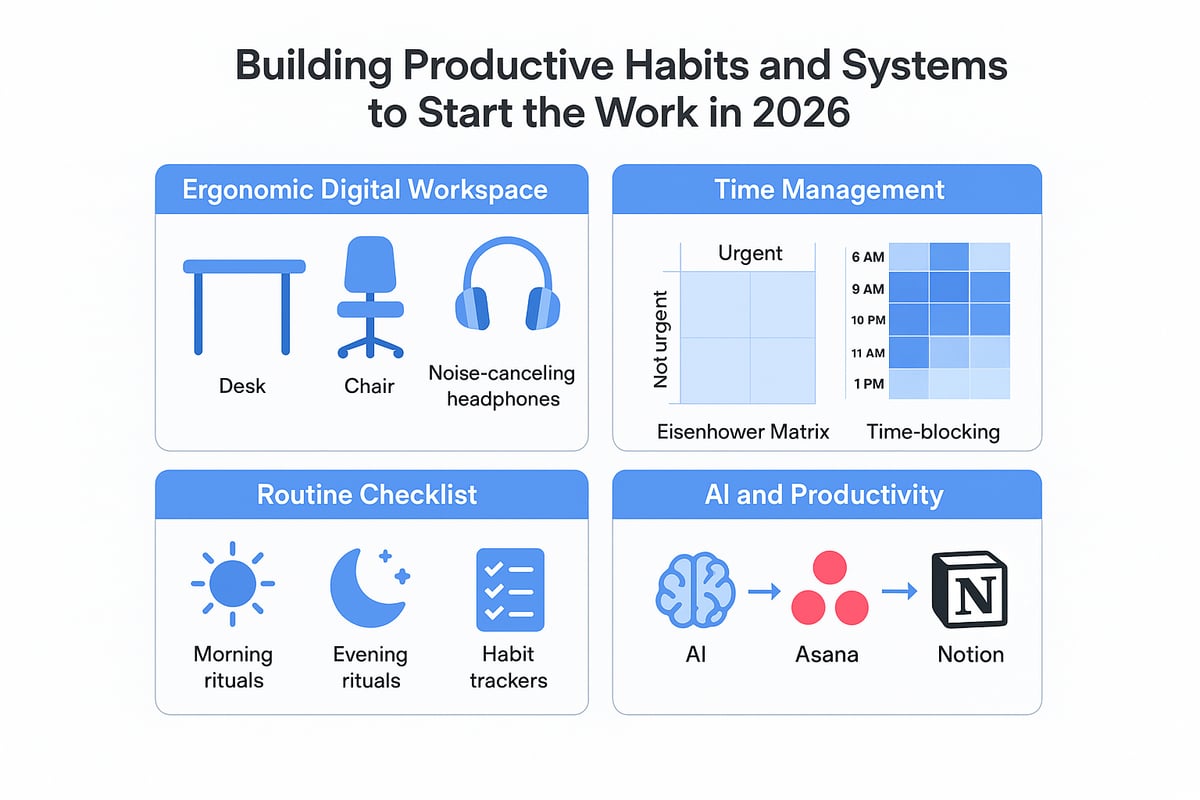
Building habits and systems is the backbone of any plan to start the work and see it through. In 2026, your environment, routines, and use of technology will determine how effectively you launch and sustain new projects.
Designing Your Ideal Work Environment
Your workspace directly influences your ability to start the work and maintain focus. In 2026, optimizing both your physical and digital environments is essential.
Begin by decluttering your desk and organizing digital files. Invest in ergonomic furniture to reduce fatigue and boost concentration. Small upgrades, like adjustable chairs or standing desks, can make a big difference.
Consider these productivity boosters:
- Noise-canceling headphones to minimize distractions
- Blue-light filters for screens to reduce eye strain
- Plants or natural lighting to enhance mood and energy
Digital tools also play a vital role. Use minimalist desktop layouts, disable unnecessary notifications, and set up folders for quick access to project files. These simple steps help you start the work with clarity and efficiency.
Time Management Strategies for 2026
Effective time management is crucial if you want to start the work and reach your goals. The modern workplace demands that you prioritize tasks and guard your focus.
Apply frameworks like the Eisenhower Matrix to distinguish between urgent and important tasks. The 80/20 Rule helps you identify which activities deliver the most impact.
Try these strategies:
- Schedule deep work blocks during your peak energy hours
- Use timers to break work into focused sprints
- Batch similar tasks to streamline your day
Recent data shows professionals using time-blocking techniques report a 35 percent increase in productivity. By protecting your best hours, you can consistently start the work that matters most.
Creating Repeatable Routines for Consistency
Consistency is the secret weapon for anyone ready to start the work and keep momentum. High performers rely on structured routines to minimize decision fatigue and automate progress.
Morning and evening routines set the tone for your day. Common habits include:
- Reviewing top priorities each morning
- Setting up a daily to-do list
- Reflecting on achievements before bed
Habit trackers and accountability partners can help you stick to these rituals. Over time, these routines become the foundation that makes it easier to start the work, even when motivation dips.
Leveraging Technology and Automation
Technology is a game-changer for those looking to start the work efficiently in 2026. AI assistants and automation tools can handle repetitive tasks, freeing you to focus on high-value activities.
Explore modern solutions such as:
- AI-powered task managers
- Workflow automation platforms
- Digital calendars with smart reminders
For a curated list of tools that can streamline your systems, check out these Productivity tools and AI strategies. Teams that embrace automation often see significant gains in output and creativity. By integrating the right tech, you can start the work with confidence and sustain your momentum.
Step 4: Take Decisive Action—The Art of Beginning
Starting can be the hardest part, but decisive action is what transforms vision into reality. To truly start the work, you need practical steps, the right mindset, and supportive systems. This section breaks down how you can move from intention to execution, turning plans into progress with clarity and confidence.
Breaking Down Big Goals into Actionable Steps
Big ambitions often feel overwhelming. To start the work, break down your main objectives into smaller, manageable actions. Begin by outlining the first week, month, and quarter.
For example, if launching a new service, your first week might focus on market research, the first month on prototyping, and the first quarter on customer feedback. This approach ensures you always know the next step.
Quick Wins Table:
| Timeframe | Action Step | Outcome |
|---|---|---|
| Week 1 | Research competitors | Informed strategy |
| Month 1 | Build prototype | Early user feedback |
| Quarter 1 | Launch MVP | Real-world traction |
By mapping your journey in this way, you keep momentum high. Remember, the key to start the work is focusing on progress, not perfection.
Overcoming the Fear of Imperfect Starts
Perfectionism stalls progress. Successful professionals know the secret is to start the work before feeling fully ready. Early action reveals what works, what doesn't, and where to pivot.
Insights from "Start The Work" and other experts confirm that 70% of high achievers cite "just starting" as their breakthrough moment. Instead of waiting for the perfect plan, embrace small, imperfect steps.
Ask yourself: What is the smallest action I can take today? Whether it's sending an introduction email or sketching an outline, each micro-action builds confidence and momentum. The process of starting is what unlocks your potential.
Accountability and Support Systems
Research shows that accountability is a powerful lever for progress. To start the work and maintain momentum, surround yourself with mentors, peer groups, or a trusted mastermind community.
Support systems help you stay committed and celebrate milestones. For example, joining a mastermind community for accountability can connect you with peers who share similar goals, provide feedback, and hold you to your commitments.
Consider these accountability tools:
- Weekly check-ins with a mentor
- Progress-tracking apps
- Public goal sharing with a peer group
With the right support, setbacks turn into learning opportunities, and every step forward is recognized.
Tracking Progress and Iterating Quickly
Execution is not a one-time event, but an ongoing process. To start the work effectively, establish a rhythm for reviewing your progress. Use feedback loops—weekly reviews, data dashboards, or simple journals—to spot wins and bottlenecks.
Embrace an agile approach: launch, learn, adjust. The most successful teams iterate quickly, refining their methods based on real results. This cycle of action and reflection ensures that your efforts are always aligned with your evolving goals.
Remember, starting is just the beginning. Continuous improvement is what turns effort into lasting success.
Step 5: Sustain Momentum and Avoid Burnout
Sustaining progress as you start the work in 2026 is as important as taking the first step. Many high performers experience early enthusiasm, only to lose steam when challenges arise. This section gives you practical strategies to maintain momentum, avoid burnout, and build a foundation for long-term achievement as you start the work journey.
Balancing Work, Learning, and Rest
Maintaining a healthy balance is essential when you start the work on new goals. Overcommitting can quickly lead to fatigue, while neglecting learning or rest slows progress. Experts recommend scheduling intentional breaks, protecting evenings and weekends, and setting clear boundaries for digital communication.
Consider this framework for balance:
- Block time for deep work, learning, and rest
- Batch tasks to minimize context switching
- Plan regular digital detoxes to recharge
Data shows that professionals who take regular breaks improve productivity by 25%. Using techniques from 10 Must-Know Workforce Trends for 2026, such as flexible schedules and upskilling, supports both well-being and growth. Remember, when you start the work, sustainability matters as much as ambition.
Building Resilience for Long-Term Success
Resilience is your shield against setbacks as you start the work in a fast-changing world. Developing coping mechanisms, like mindfulness or meditation, helps manage stress and maintain focus. Many professionals use short daily practices, such as deep breathing or gratitude journaling, to strengthen mental stamina.
Ways to build resilience:
- Practice mindfulness for five minutes daily
- Reflect on setbacks as learning opportunities
- Seek feedback from mentors or peers
Stories abound of leaders who bounced back from early failures by adapting their approach. Building resilience means accepting that progress is not always linear. When you start the work, a resilient mindset transforms obstacles into opportunities for growth.
Networking and Community for Ongoing Growth
No one succeeds alone. As you start the work, tapping into professional networks and communities can accelerate your progress and sustain motivation. Online communities, mastermind groups, and industry forums provide accountability, fresh perspectives, and support during challenging phases.
Benefits of strong networks:
- Peer accountability keeps you on track
- Knowledge sharing accelerates learning
- Collaboration opens new opportunities
The Future of Work [2026-2030] highlights the role of technology in connecting professionals globally. Engaging with such communities ensures you are not isolated as you start the work, and it fuels innovation through shared experiences.
Reviewing, Reflecting, and Recalibrating Goals
Regular reflection is crucial for sustained momentum. Monthly and quarterly reviews help you track progress, celebrate wins, and identify areas for adjustment as you start the work on long-term projects. Use tools like journals or digital dashboards to visualize achievements and challenges.
A simple review ritual:
- Set aside time each month for reflection
- Use checklists to evaluate progress
- Recalibrate goals based on new insights
Adjusting your approach is not a setback, but a sign of growth. Those who review and recalibrate are better equipped to maintain passion and purpose as they start the work, even in uncertain times.
Expert Resources and Tools to Jumpstart Your Work in 2026
Launching your projects with confidence in 2026 means using the right resources from the very beginning. To truly start the work that matters, you need expert guidance, proven tools, and up-to-date insights into the evolving world of work. According to The Future of Jobs Report 2025, staying informed about automation, new roles, and emerging skills is essential for professional growth.
To start the work with clarity, begin by reading "Start The Work" by Natalie Dawson. This book provides actionable strategies for new beginnings. Pair it with other top titles on productivity and mindset. For skills development, enroll in online courses from recognized platforms. Certifications in areas like digital collaboration, AI literacy, or project management will give you an edge as you start the work in a fast-changing landscape.
Modern professionals also rely on productivity apps and digital planners. Tools such as Notion, Todoist, or Trello help you organize tasks, track habits, and automate routines. These solutions make it easier to start the work each day with purpose and efficiency.
Stay inspired by following podcasts and newsletters from industry leaders. Look for shows that feature real-world success stories, expert interviews, and up-to-date trends. Thought leaders like Natalie Dawson offer ongoing motivation and practical advice to help you start the work and keep your momentum strong.
Templates, checklists, and structured frameworks provide a clear path forward. Join mastermind groups and online communities for accountability, feedback, and peer support. Data shows that professionals who leverage expert resources are 40 percent more likely to achieve their goals. By equipping yourself with the right tools, you can confidently start the work and thrive in 2026.
Article written using RankPill.