Imagine stepping confidently into 2026, ready to secure your dream role or accelerate your career with a clear, proven roadmap. The step job guide is crafted to be your definitive pathway to professional success, equipping you with actionable steps, essential strategies, and exclusive insider tips.
In this guide, you will learn how to assess your strengths, navigate the ever-evolving job market, build in-demand skills, master the application process, and leverage support networks for lasting growth. Discover new opportunities, proven strategies, and practical actions that can transform your career trajectory. Are you ready to take the next step toward your future?
Understanding the 2026 Job Market Landscape
The step job landscape in 2026 is defined by rapid transformation, driven by technology, shifting work models, and evolving employer needs. As professionals look to secure their next step job, understanding these changes is essential for strategic career planning. Companies are increasingly seeking talent that can navigate both digital and human-centric challenges, which is reshaping how candidates must prepare for the future.
Major Trends Reshaping the Step Job Market
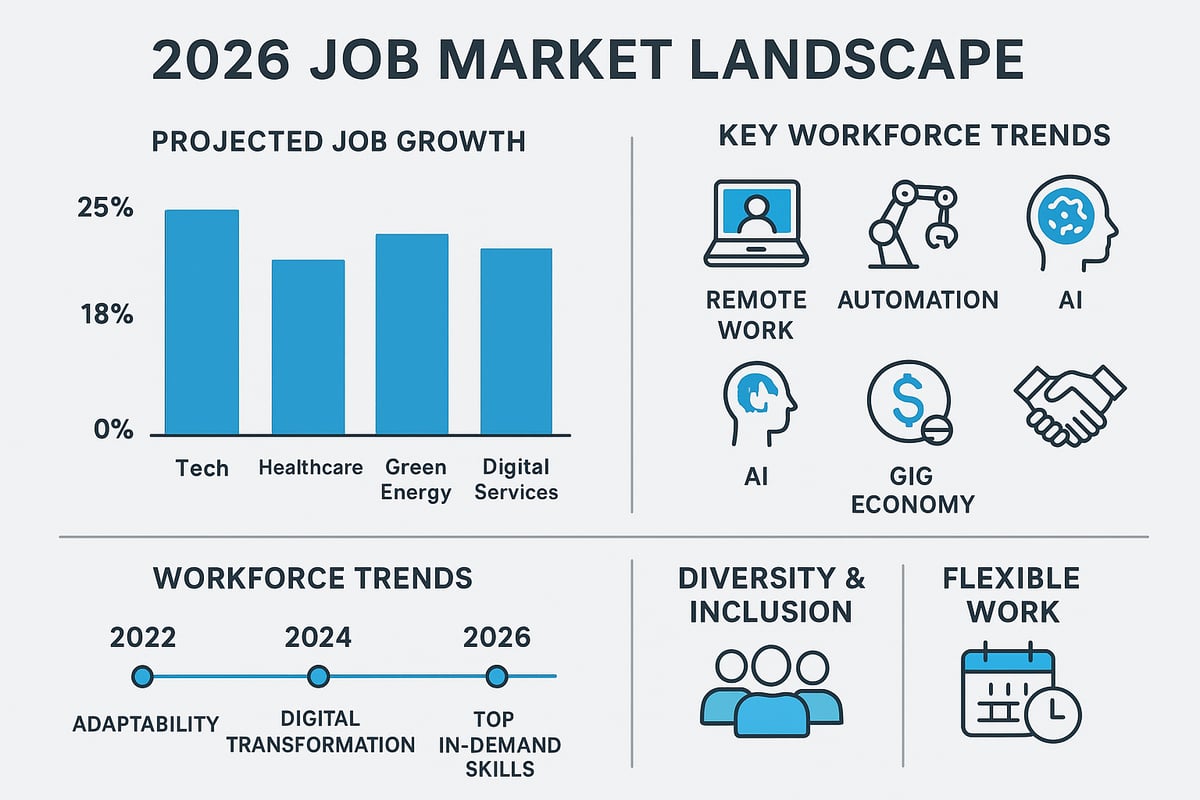
Remote work, automation, AI integration, and the expansion of the gig economy are at the forefront of the 2026 step job market. The pandemic accelerated the shift to remote and hybrid models, making flexibility a baseline expectation for many roles. Automation is transforming repetitive tasks, while AI enables smarter decision-making and supports new job categories. According to the 2026 Workforce Trends Report, companies are prioritizing AI readiness, employee trust, and adaptability as key drivers of future workforce success. These trends highlight the need for job seekers to stay agile and tech-savvy to secure their desired step job.
Industries with High Demand and Digital Transformation
Several industries are experiencing significant growth, offering abundant step job opportunities. Technology remains a powerhouse, with roles in AI, cybersecurity, and software development leading the charge. Healthcare continues to expand, driven by an aging population and advances in telemedicine. Green energy and digital services are rapidly growing as sustainability and digital transformation take center stage. No-code platforms are democratizing access to digital roles, enabling professionals from diverse backgrounds to enter tech-enabled careers. For individuals targeting their next step job, aligning skills with these sectors can provide long-term stability and upward mobility.
| Industry | Projected Growth (2026) | In-Demand Roles |
|---|---|---|
| Technology | 15% | AI Specialist, Developer |
| Healthcare | 13% | Telehealth, Nursing |
| Green Energy | 12% | Solar Tech, Analyst |
| Digital Services | 10% | Marketing, UX Designer |
The Role of No-Code, Automation, and Adaptability
Digital transformation is not just about technology, it is about how people and tools interact to create value. No-code tools allow those without traditional coding backgrounds to build apps, automate workflows, and solve business problems. Automation is streamlining processes across every industry, creating new step job roles focused on oversight, strategy, and creativity. As the market evolves, adaptability and a willingness to learn continuously are becoming as important as technical expertise. Candidates who embrace upskilling and reskilling are best positioned to secure their next step job.
Evolving Employer Expectations and Diversity Initiatives
Employers in 2026 expect more than just technical know-how. They are seeking professionals with strong soft skills, such as communication, problem-solving, and emotional intelligence. Diversity, equity, and inclusion (DEI) have become central to hiring practices, with companies recognizing the value of varied perspectives in driving innovation. Leading organizations are expanding remote opportunities, implementing inclusive policies, and prioritizing ongoing learning. For anyone pursuing a step job, identifying employers committed to DEI can lead to more supportive and fulfilling work environments.
Economic and Global Influences on Step Job Creation
The global economy continues to impact the step job market, with economic cycles, geopolitical shifts, and technological breakthroughs shaping job creation and stability. Companies that adapt quickly to change—whether through flexible work arrangements, digital investments, or workforce upskilling—are more likely to thrive. Job seekers who stay informed about market trends, leverage digital tools, and build resilient skill sets will be better equipped to navigate uncertainty and secure their ideal step job in 2026.
Step 1: Self-Assessment and Career Clarity
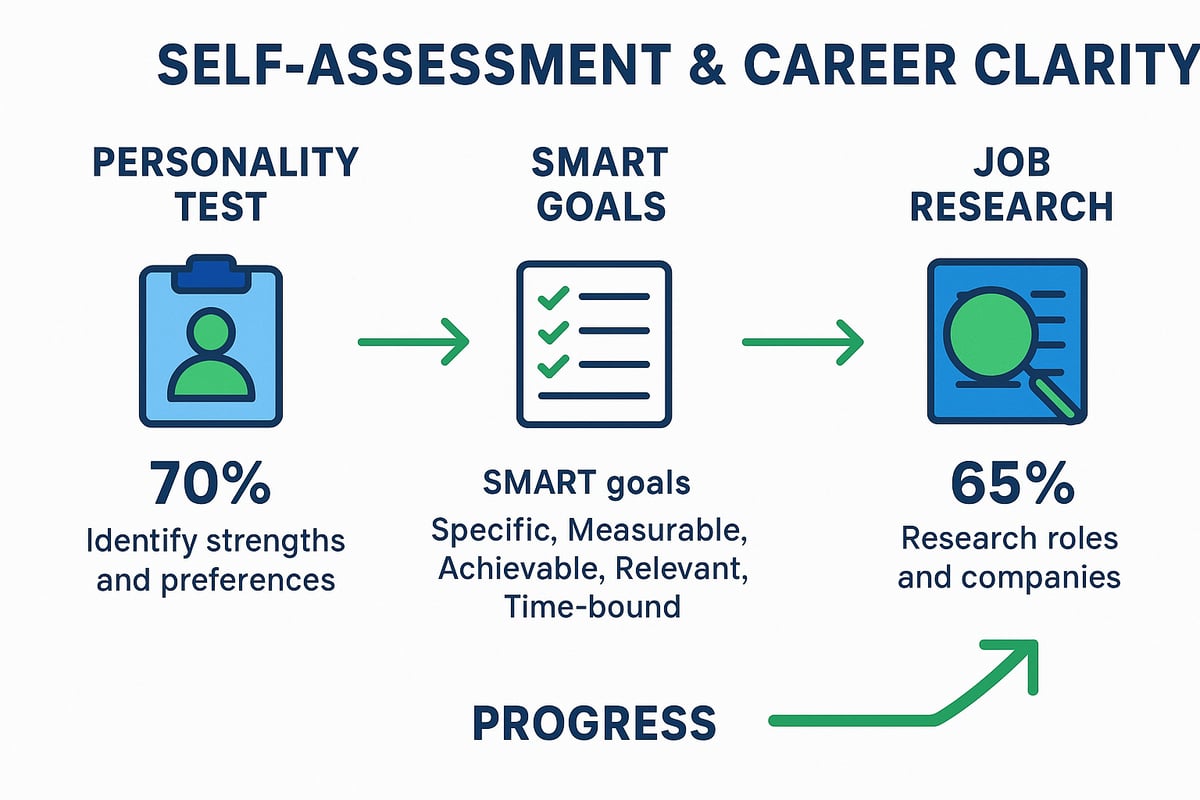
Gaining clarity about your professional direction is the foundation of any successful step job journey. Self-assessment helps you discover what sets you apart, and gives you the confidence to move forward with purpose. In this section, you’ll learn how to identify your strengths, set actionable goals, and research roles that match your unique profile.
Identifying Your Strengths and Interests
Start your step job path by exploring your core strengths and passions. Self-assessment tools like personality tests, such as Myers-Briggs or CliftonStrengths, and skills inventories can provide valuable insights. These tools help you understand what motivates you and where your talents truly lie.
| Tool | Purpose | Example |
|---|---|---|
| Myers-Briggs | Personality insights | ENFJ, ISTP |
| CliftonStrengths | Identifying top strengths | Analytical, Woo |
| Skills Inventory | Mapping technical abilities | Excel, SQL |
Aligning your interests with market demand is crucial for a successful step job. For example, someone passionate about problem-solving might thrive in project management or data analysis roles. Real-life career pivots often begin with self-discovery, as seen when a teacher leverages communication skills to transition into corporate training.
Transferable skills, such as critical thinking and adaptability, are assets employers value highly. To maximize your potential, consider using resources like Unlock Your Professional Superpowers, which guides you in uncovering and leveraging your unique talents for career growth.
Setting Clear Career Goals
Once you understand your strengths, the next step job milestone involves defining where you want to go. Setting SMART goals—Specific, Measurable, Achievable, Relevant, and Time-bound—helps you stay focused.
Break down your objectives into short-term and long-term targets. For instance, a short-term goal could be completing a certification, while a long-term goal might involve securing a management position within three years.
Consider the story of a professional who started in an entry-level support role. By setting clear, incremental goals, they advanced to a leadership position, proving that strategic planning is vital for any step job. Tracking progress keeps you motivated and allows you to celebrate achievements along the way.
Researching Roles and Industries
The modern step job market is dynamic, so researching potential roles is essential. Begin by analyzing job descriptions for required skills and qualifications. Create a list of recurring skills you notice, such as digital literacy or project management, and compare them to your current abilities.
Industry reports and labor data can uncover high-growth sectors, helping you align your strengths with in-demand roles. For example, transitioning from a traditional administrative role to a tech-enabled project coordinator position is increasingly common. This shift often requires learning new digital tools but offers greater career resilience.
Specializing in a niche can also set you apart in the step job market. Focusing on areas like green energy or digital health can boost your employability and future-proof your career. By matching your unique profile with emerging opportunities, you position yourself for long-term success.
Step 2: Building In-Demand Skills for 2026
Navigating the evolving step job landscape in 2026 requires a proactive approach to skill-building. Employers seek candidates who not only possess technical expertise but also demonstrate adaptability and a willingness to learn. By identifying and cultivating the right mix of hard and soft skills, you can position yourself as a standout step job candidate in any industry.
Essential Hard and Soft Skills
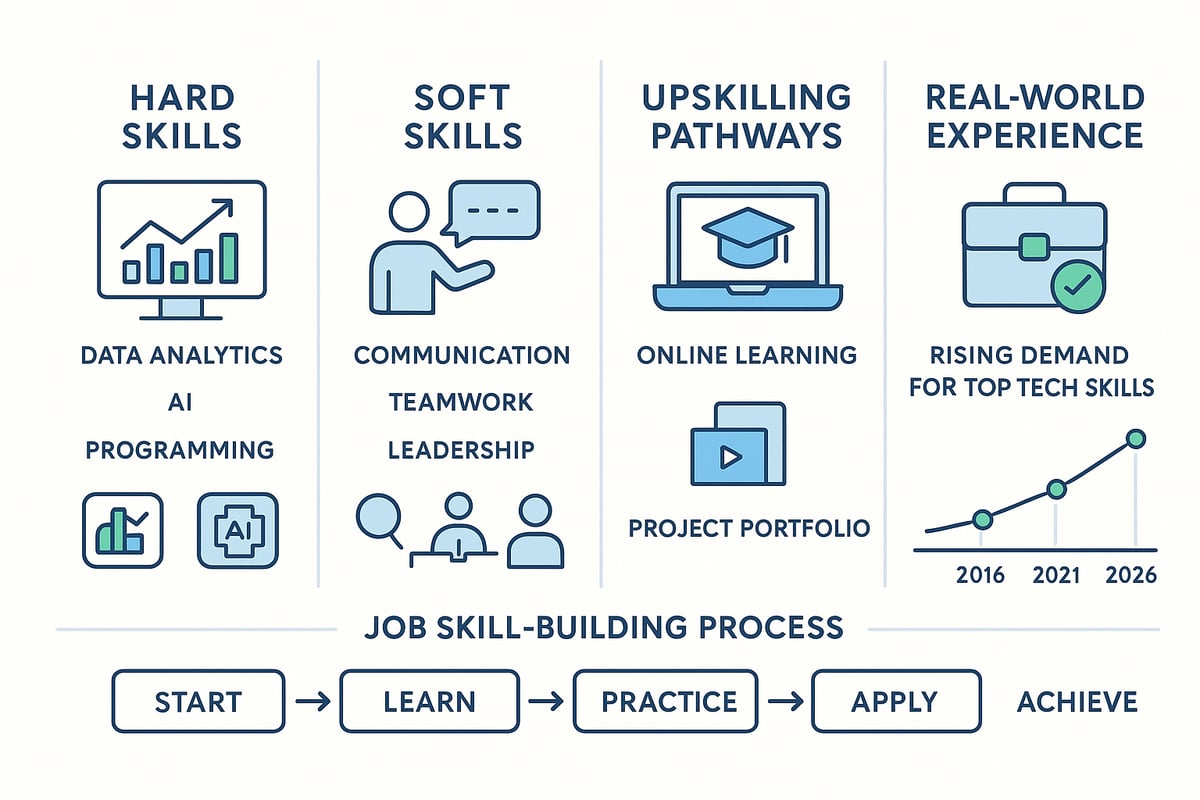
To excel in a step job in 2026, you must master both hard and soft skills. Hard skills such as data analysis, digital marketing, AI literacy, and project management are increasingly vital. Soft skills, including communication, adaptability, and problem-solving, are equally valued by employers.
A recent survey revealed that over 80% of hiring managers now prioritize soft skills when evaluating step job candidates. This shift reflects the importance of collaboration and flexibility in today’s workplace.
Top In-Demand Skills for 2026
| Hard Skills | Soft Skills |
|---|---|
| Data Analysis | Communication |
| AI Literacy | Adaptability |
| Digital Marketing | Problem-Solving |
| Project Management | Critical Thinking |
Exploring the Top 10 In-Demand Tech Skills for 2026 can help you align your step job preparation with market needs. By investing in both technical and interpersonal abilities, you lay the foundation for long-term career resilience.
Upskilling and Reskilling Pathways
Staying competitive in the step job market means embracing continuous learning. Online courses, certifications, and micro-credentials offer flexible options to upgrade your skills. Platforms like Coursera, edX, and LinkedIn Learning provide targeted programs in trending areas.
Bootcamps and vocational training offer immersive, hands-on experiences ideal for those seeking a rapid step job transition. Many professionals advance their careers by leveraging free resources, such as YouTube tutorials or open courseware, to supplement formal education.
Popular Upskilling Methods:
- Online courses and certifications
- Coding bootcamps
- Industry webinars and workshops
- Micro-credentials and digital badges
Choosing the right pathway depends on your current skill set and desired step job. Focus on building a mix of technical and transferable skills to maximize your employability.
Leveraging No-Code and AI Tools
No-code platforms are transforming the step job market by democratizing access to technology. These tools empower professionals to build apps, automate workflows, and analyze data without extensive programming knowledge. As a result, you can quickly adapt to new roles and contribute more effectively.
AI-powered tools further enhance productivity, allowing you to automate repetitive tasks and focus on high-value projects. For example, marketing professionals use AI for campaign optimization, while HR specialists streamline recruitment through smart filtering systems.
Benefits of No-Code and AI Tools:
- Faster project delivery
- Lower technical barriers
- Increased innovation opportunities
Embracing these technologies in your step job journey enables you to stay ahead of industry trends and unlock new career possibilities.
Gaining Real-World Experience
Employers increasingly value practical experience when hiring for step job roles. Internships, apprenticeships, and freelance projects offer hands-on exposure and help build a robust portfolio. Volunteering also provides opportunities to apply your skills in real-world settings while expanding your professional network.
Ways to Build Experience:
- Participate in internships or co-op programs
- Take on freelance or contract projects
- Volunteer for non-profit initiatives
- Launch personal side projects
Success stories abound of entry-level candidates landing step job offers after showcasing projects or contributions during interviews. By actively seeking out experiential learning, you demonstrate initiative and commitment to continuous growth.
Step 3: Navigating the Application and Interview Process
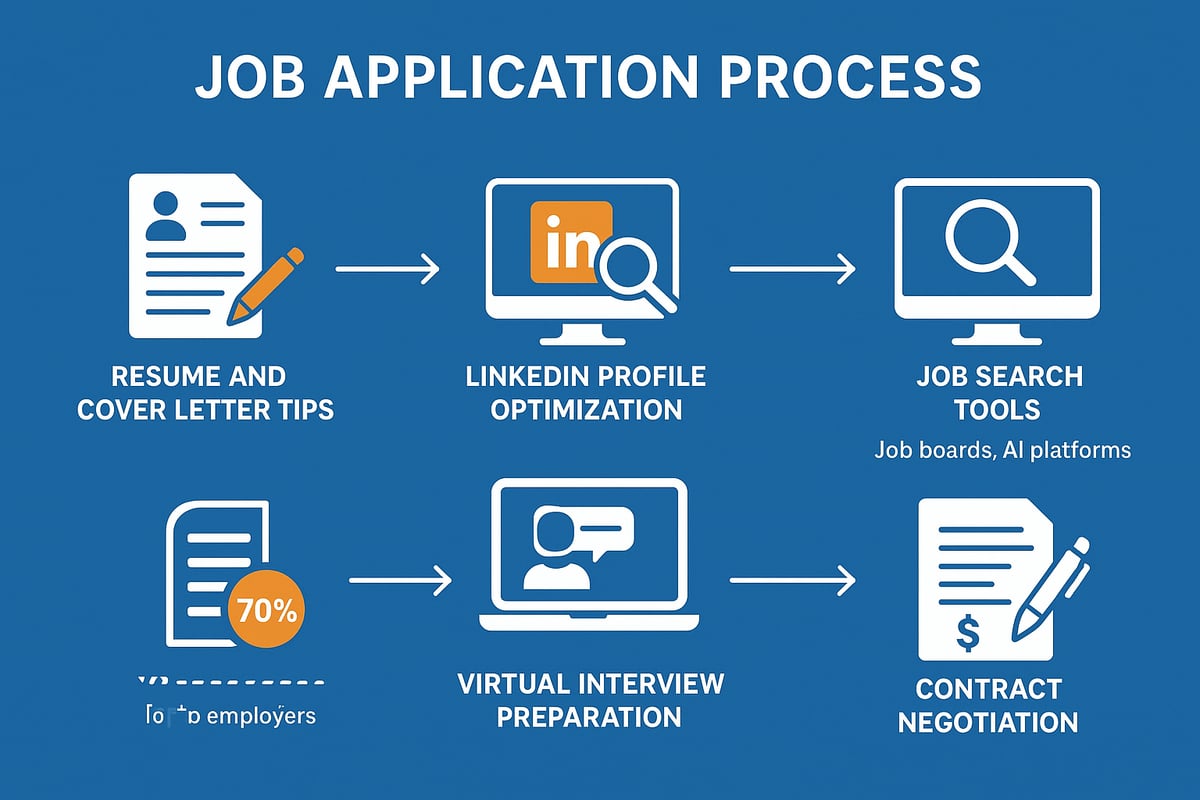
Applying for jobs in 2026 requires a strategic approach. The step job process is more dynamic than ever, with employers seeking adaptable, tech-savvy candidates who can demonstrate both hard and soft skills. Each step job stage, from resume creation to final offer, is a chance to stand out. Let’s break down how to master each phase for maximum impact.
Crafting a Winning Resume and Cover Letter
Your resume is often the first impression in the step job journey. In 2026, tailoring each resume to the specific job description is essential. Begin by analyzing the posting, then highlight measurable achievements and relevant skills that align with the company's needs.
Modern resumes use clean layouts, concise bullet points, and integrate keywords from the job ad. Consider this table for key elements:
| Resume Section | Best Practice Example |
|---|---|
| Summary | 2-3 lines, quantifiable impact |
| Skills | Mix of technical and soft |
| Experience | Results-focused, use numbers |
| Education | Relevant degrees/certificates |
Cover letters should address the hiring manager directly and provide context for your step job application. Use specific examples to illustrate your value. Always proofread for clarity and accuracy.
Optimizing Your Online Presence
A strong digital presence is vital for any step job search. Start by making your LinkedIn profile comprehensive, with a professional photo, keyword-rich headline, and a compelling summary. List achievements, certifications, and endorsements that match your target roles.
Personal branding goes beyond just LinkedIn. Ensure your other social profiles reflect a professional image. Recruiters often review digital footprints, so monitor your public content. For example, some candidates have secured interviews after recruiters engaged with their insightful LinkedIn posts.
Job Search Strategies and Tools
Finding the right step job in 2026 means using a mix of modern and traditional methods. Job boards and company websites remain important, but AI-driven platforms now match candidates to roles based on skills and preferences. Networking, both online and offline, continues to yield more interviews than cold applications.
According to the 2026 U.S. Labor Market Outlook, skilled professionals willing to explore contract and flexible roles have a competitive advantage. Attend virtual events, engage in industry forums, and leverage alumni networks to expand your reach. Remember, each step job search tactic increases your exposure to potential employers.
Mastering the Interview Process
Interviews in the step job market are increasingly virtual and AI-assisted. Preparation is key: research the company, review common behavioral questions, and practice with mock interviews. The STAR method (Situation, Task, Action, Result) is effective for answering competency-based questions.
Be ready to demonstrate adaptability, problem-solving, and communication. Many employers use AI to screen responses for soft skills, so speak clearly and authentically. Approach every interview as a two-way conversation, asking insightful questions about the role and company culture.
Negotiating Offers and Understanding Contracts
Securing a step job offer is exciting, but careful review is essential. Examine key contract terms such as salary, benefits, remote work options, and growth opportunities. Use current market data to support your salary negotiations.
Here are common benefits in 2026 contracts:
- Flexible schedules
- Wellness programs
- Upskilling budgets
Clarify expectations and ask questions about any unclear clauses. Successful negotiation ensures your step job aligns with your long-term career goals and personal needs.
Step 4: Leveraging Support Systems and Networks
Building a thriving career in 2026 is about more than just skills and experience. The right support systems and networks can transform your step job journey from challenging to empowering. A strong network opens doors to opportunities, mentorship, and resources that accelerate your progress.
Building a Professional Network
A robust professional network is essential for step job success. Start by connecting with mentors, peers, and industry leaders on platforms like LinkedIn. Attend virtual or local industry events to meet professionals and expand your circle. Online communities, such as Slack groups or specialized forums, offer additional spaces to share knowledge and find support.
- Reach out to alumni networks from your university.
- Join professional associations in your field.
- Participate in webinars and workshops to meet like-minded professionals.
Consider the story of Maria, who landed her ideal step job by consistently engaging in online tech communities. Her active participation led to a referral for an exclusive project, proving that networking can be a catalyst for advancement. Building genuine relationships is more valuable than simply collecting contacts.
Accessing Career Support Services
Career support services can streamline your step job search. Job placement agencies, university career centers, and local workforce programs offer coaching, resume reviews, and job matching. Many job seekers, nearly 30 percent according to recent surveys, secure roles with help from these resources.
Explore free workshops and mock interviews provided by your community. Leverage online career coaching platforms for personalized advice. These services help you refine your strategy, boost confidence, and stay accountable during your job search.
Volunteering and Giving Back
Volunteering is a strategic move for step job candidates. It allows you to gain hands-on experience, develop new skills, and demonstrate your commitment to potential employers. Volunteering also broadens your network, connecting you with professionals who might recommend you for paid positions.
For example, many have transitioned from volunteer roles to full-time employment within the same organization. Volunteering shows initiative and adaptability, qualities that employers value in any step job scenario.
Embracing Diversity and Inclusion Initiatives
Inclusive workplaces are shaping the future of the step job market. Candidates should seek out employers with strong diversity, equity, and inclusion (DEI) programs. Research shows that companies with robust DEI initiatives report higher employee satisfaction and retention.
Identify supportive employers by reviewing their public commitments, employee resource groups, and leadership diversity. Companies recognized for DEI leadership often foster innovation and create welcoming environments for career growth.
Staying Motivated and Resilient
Persistence is key to step job success, especially when facing setbacks. Practice self-care, set realistic goals, and celebrate small wins along the way. Mindset shifts, like viewing rejections as learning opportunities, keep you focused on long-term growth.
Remember, many professionals have achieved breakthroughs after periods of uncertainty. Your resilience will help you navigate the evolving job landscape and reach your goals.
Step 5: Future-Proofing Your Career
Future-proofing your career has never been more critical. As the world of work transforms, your ability to adapt and grow is what sets you apart. The step job approach empowers you to stay relevant, resilient, and ready for whatever 2026 brings.
Embracing Lifelong Learning
The step job journey is fueled by continuous learning. In 2026, knowledge becomes your most valuable asset. Lifelong learning keeps you ahead, helping you adapt to industry shifts and seize new opportunities.
Explore online platforms, micro-credentials, and professional workshops. Dedicating time each week to skill development ensures you remain competitive. For example, many professionals have advanced their careers by prioritizing ongoing education, often landing in roles that did not exist a few years ago.
Ask yourself: which skills will keep your step job trajectory moving forward? Prioritize those that align with your interests and market demand. Stay curious, seek feedback, and never stop growing. Your commitment to learning is the foundation of a future-proof career.
Adapting to Technological Change
Technology is reshaping every step job at an unprecedented pace. From AI to automation, staying updated with the latest tools is vital. Digital literacy is now essential, regardless of your industry or role.
Begin by identifying which tools are most relevant in your field. Regularly review emerging trends and invest in upskilling. For instance, acquiring skills in AI, cybersecurity, or cloud infrastructure can open doors in high-growth sectors. According to Top 5 Tech Skills in Demand by 2026, roles requiring these capabilities are projected to see rapid expansion.
A step job mindset means embracing change, not fearing it. Attend webinars, join industry forums, and experiment with new technologies. The more adaptable you are, the stronger your position in the evolving job market.
Exploring Alternative Career Paths
The traditional career ladder is just one route. The step job landscape now includes freelancing, entrepreneurship, and gig opportunities. These alternatives offer flexibility and the chance to diversify your income.
Consider building a portfolio career or turning your expertise into a product or service. Many professionals are leveraging guides like the Productizing Your Expertise Guide to create scalable income streams. This approach not only boosts resilience but also keeps your step job journey dynamic and adaptable.
Evaluate your risk tolerance and interests before making a transition. Alternative paths can be rewarding, but they require planning and a willingness to learn new business skills.
Balancing Work, Life, and Wellbeing
A sustainable step job requires balance. Remote and hybrid work models offer flexibility, but boundaries are essential. Set clear work hours, take regular breaks, and prioritize your mental health.
Employers increasingly recognize the link between wellbeing and productivity. In fact, studies show that job satisfaction rises significantly when employees maintain a healthy work-life balance. Use available resources, such as counseling or wellness programs, to stay on track.
Remember, your career is a marathon, not a sprint. Protect your energy so you can continue progressing along your step job path.
Measuring and Celebrating Progress
Tracking your achievements is key to sustaining motivation. Regularly review your goals, reflect on milestones, and set new targets as you advance in your step job.
| Progress Tracking Method | Description | Benefit |
|---|---|---|
| Digital Portfolios | Archive projects and skills | Visualize growth |
| Goal-Setting Apps | Track objectives and deadlines | Stay organized |
| Self-Reflection Journals | Document learning and insights | Identify strengths |
Celebrate both small and major wins. Recognizing your progress fuels continued growth and helps you stay engaged in your step job journey. Each milestone is a testament to your adaptability and dedication.
Article written using RankPill.